






TL;DR
Blackout may lead to food spoilage, lack of internet and safety risks. There are fuel generators, solar power plants, UPS stations and power banks available as backup options. Solar is the safest and most secure long-term option for most homes. Generators work for heavy loads, but solar is cleaner.
Just think you are at home one evening. Suddenly, the lights go out. The fan is turned off, your refrigerator is off and your cell phone has only 10% battery power remaining. This is what a power outage feels like.
Power outages can happen without warning. They may last a few minutes, hours or even days, depending upon the reason. For some, a blackout is only an inconvenience. But for others, families with children, people who rely on medical equipment, and businesses that store perishable goods, it can be a serious problem. This leads us to another critical question: what is the most appropriate solution to the power outage backup?
The answer is based on your needs, budget, and environment.
In this article, we will talk about why backup power is so important and explore some of the most popular backup power sources during an outage.
Why Do You Need Backup Power?

For most people, a power outage may be a normal incident. However, in any residential or commercial setting, several hours of power outage may cause food spoilage, inability to access the internet, and stress your life in more ways than you can imagine. For families with medical devices or businesses that rely on the grid constantly, outages can be far more dangerous.
According to the U.S. Energy Information Administration (EIA), more than 7 hours of blackouts were experienced on average by Americans in 2021. In some developing countries, outages can last several hours every single day.
The result is not just inconvenience. According to the World Bank, as of June 1, 2022, over 733 million individuals in the world today had no access to electricity whatsoever. This shows how sensitive the power supply is and the necessity of a backup system.
That’s why planning ahead is the best way to cope with outages.
Best Options for Power Outages
The constant need for backup power has given rise to several backup power sources today. Here are some of the most effective backup power options available:
1. Portable Generators
The most popular solution for temporary blackouts is a portable generator. Generators can be powered using gasoline, diesel, or propane, and thus they can be used to power large devices, including lights, refrigerators, and fans.
● Best For: Short- and medium-term outages at homes or workplaces.
● Pros: Cheap, easy to set up, a variety of power sizes to choose from.
● Cons: Noisy, needs fuel, and can not be used indoors due to fumes.
2. Standby Generators
Stand-by generators are permanently mounted outside your home and are connected to your home electrical system. They automatically turn on when there is a power outage, and hence can be an easy-going option.
● Best For: Homes and businesses that need 24/7 power.
● Pros: They are completely automatic, dependable and can supply power over an extended time to a whole home.
● Cons: They are expensive, and they need professional installation and maintenance.
3. Solar Power with Battery Backup
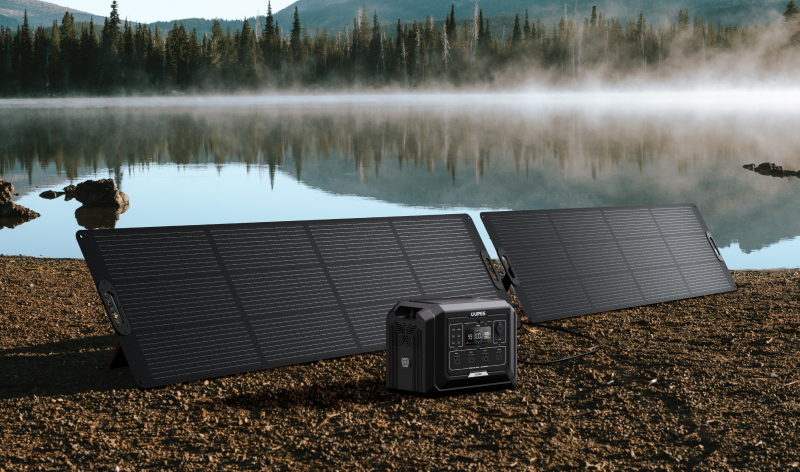
This is a more environmentally friendly power supply option. Solar power systems have battery storage, which powers your appliances even in case of a blackout, using the energy stored in the batteries, which are charged all day by the solar panels.
● Best For: Environmentally conscious households located in areas with sunny climates.
● Pros: Clean, silent, no fuel needed, long-term savings.
● Cons: Expensive upfront cost, low battery capacity, weather sensitive.
4. Uninterruptible Power Supply (UPS)
UPS is a small device that gives instant backup in case of a power failure. It is used for sensitive electronics such as computers, Wi-Fi routers and medical devices.
● Best For: Short outages and protection of electronics from damage.
● Pros: Immediate switch, compact and pocket-friendly.
● Cons: Limited running time, typically runs only small devices.
5. Portable Power Stations and Power Banks
These are rechargeable packs of batteries used to charge phones, laptops, or even small appliances. Some models are solar-compatible.
● Best For: Small-scale needs like communication, mobile work, and medical devices.
● Pros: Lightweight, safe, no fumes, easy to carry.
● Cons: Limited capability, not able to run large appliances.
6. Car Inverters
With a power inverter, your car battery can be converted to a temporary power source. It's useful in case of emergency for charging phones, laptops or small electronics.
● Best For: People who travel frequently or live in a place with occasional power outages.
● Pros: Inexpensive, easy to use, handy for emergencies.
● Cons: Limited power, drains car battery if used too long.
Which Option Is Best for You?
Not every backup solution works for every person. The right one depends on your budget, lifestyle and how much power you need.
|
User Type |
Best Backup Option |
Reason? |
|
Families at Home |
Solar Power Station |
Safe indoors, silent, powers essentials like lights & fridge |
|
Business Owners |
Generator + UPS |
Handles heavy loads and protects sensitive electronics |
|
Students/Remote Workers |
UPS or Small Solar Unit |
Keeps laptop and Wi-Fi running during short outages |
|
Outdoor Users |
Portable Solar Kit/Power Bank |
Lightweight, portable, charges phones & lights outdoors |
Safety Tips for Using Backup Power
Having a backup power will simplify life during a blackout, but safety should come first. Even a minor slip can destroy your equipment or cause accidents. Here are some key tips:
● Generators: They should be used outdoors to prevent carbon monoxide poisoning. Place them away from your indoor (at least 20 feet) when running. Keep additional fuel in safe containers and never refuel with the generator turned on.
● Solar Power Stations: Mount panels in direct sunlight, but do not place them close to water. Wipe dust or dirt often so that they can work to the maximum capacity.
● UPS Units: Do not overload them with too many devices. Test them once a month to ensure that they are working. Replace old/swollen batteries.
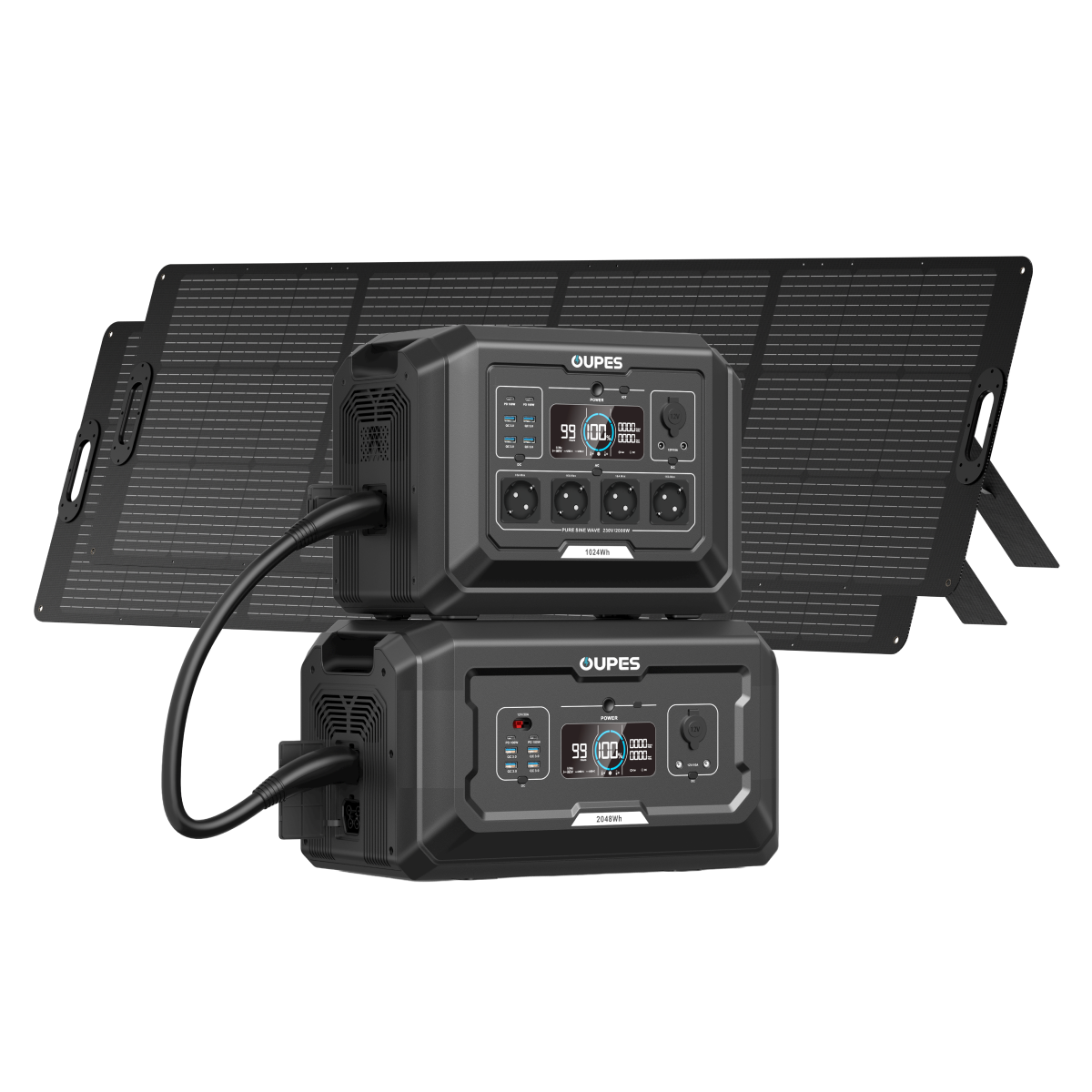
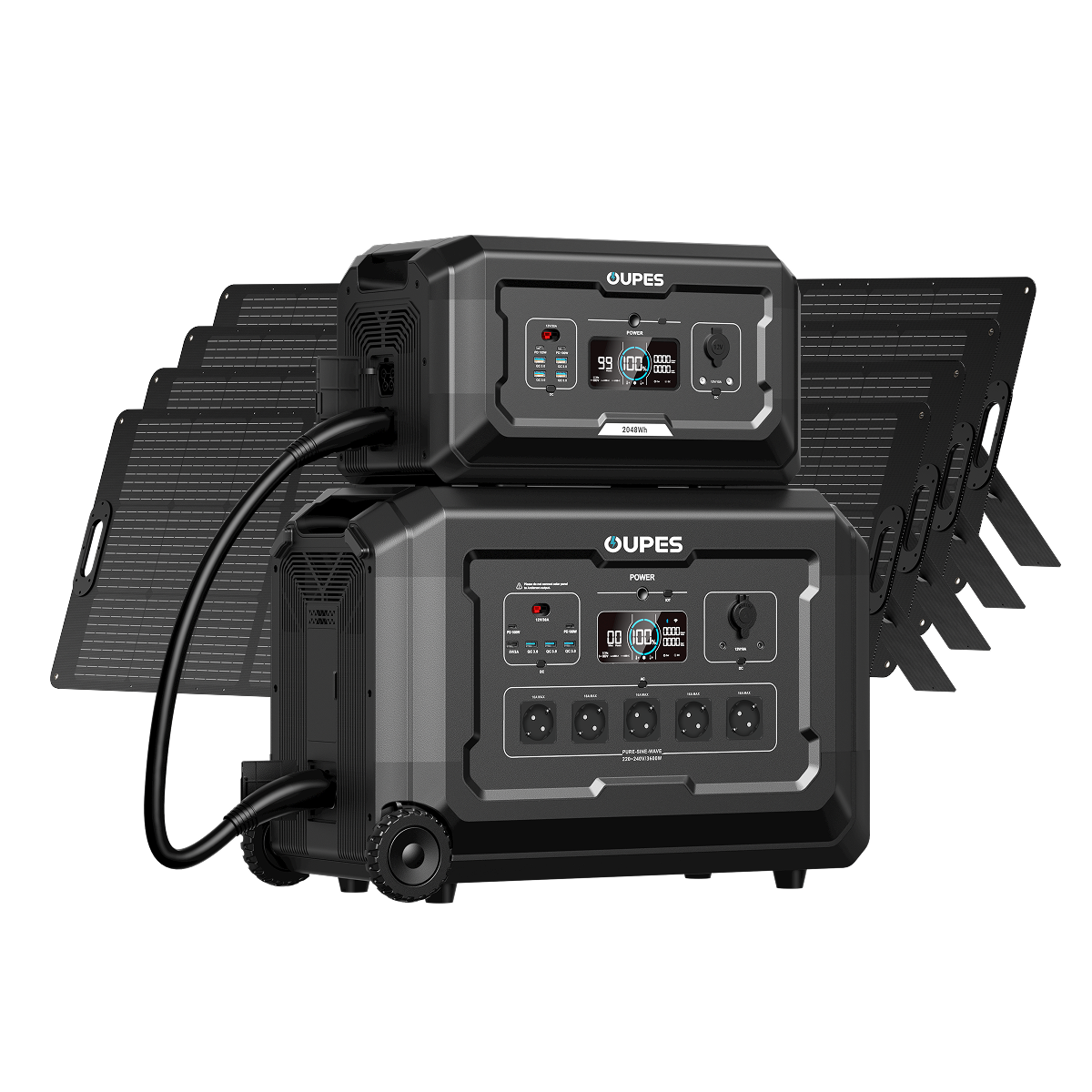
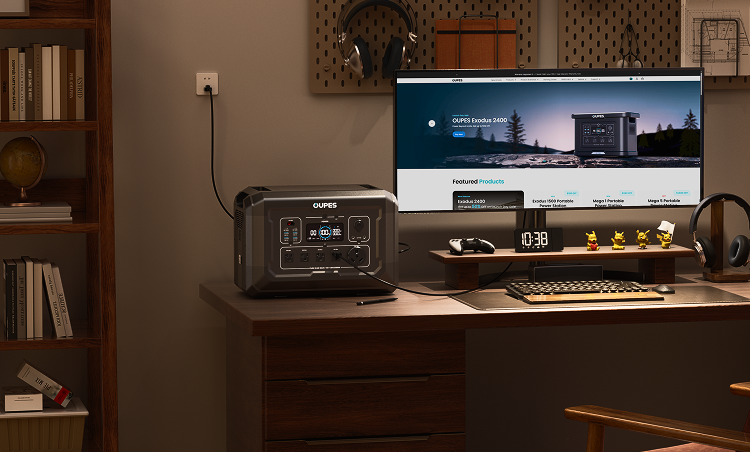
Solar power stations from OUPES can charge quickly, power multiple devices, and are expandable with additional batteries. Unlike fuel generators, they are silent, safe and environmentally friendly.
FAQs
What's the best choice for a power outage at home?
For whole-home coverage, a solar generator with panels is the best option. If you want to power only essential appliances, a portable solar power station may be enough.
What is the cheapest option for power outages?
A portable generator is generally the most affordable, but for small needs, power banks or UPS devices are cheaper.
Can solar power replace a generator completely?
Yes, but you will need enough solar panels and battery storage. For shorter outages, solar power stations can be effective. For outages that last for a long time, pairing your solar statoin with panels is more reliable.
Conclusion
Power outages can happen at any time, and they often come with stress and discomfort. Here, the right backup option can offer reliability and peace of mind.
Generators are powerful but noisy and are not safe indoors. UPS units and power banks are helpful for short outages, but would not be able to handle big appliances.
For most families and homeowners, solar power is the way to go. It's clean, safe and saves money in the long term. If you want a backup that gives peace of mind, saves money, and works for years, then solar power is the best option for power outages.
Explore OUPES solar generators and portable power stations to find the right backup solution for your home.
backup generator for home, backup power, best generator for home backup power, home backup power, home battery backup, homebackup power, portable backup generator, US power outage,


Leave a comment
This site is protected by hCaptcha and the hCaptcha Privacy Policy and Terms of Service apply.