




TL;DR
Are LiFEPO4 batteries a better alternative to other Lithium batteries? They are certainly a lot safer and last longer. LiFEPO4 batteries are lighter and give more power in a small size. While generally a better option, these batteries are not suitable for each use case. LiFEPO4 is much suited for solar and RVs, while lithium batteries are commonly used for phones and cars. The right choice depends on your intended use.
Have you ever wondered why your phone, laptop or even a solar power station can work without being plugged in? The answer is batteries. Just think for a moment, how dependent you are on batteries each and every day.
And, with so many types of batteries available, you may be asking yourself: which one is the best? Two of the most common types are the LiFePO4 batteries and lithium-ion batteries. From the outside, they may look the same, but they are distinctively different on the inside. Both of them offer advantages and disadvantages in certain use cases.
In this article, we will compare them step by step, talking about their pros and cons. By the end, you will be able to decide which battery is right for your needs.
LiFEPO4 batteries vs. Lithium batteries: Which one is better?

Both LiFePO4 and lithium batteries are good in their own ways, but they are designed to serve different purposes. To know which one of them is the best to select, we are going to compare them against several metrics.
Voltage
LiFePO4 batteries have a voltage of approximately 3.2 volts per cell compared to lithium-ion that has a voltage of 3.6-3.7 volts per cell. This allows lithium-ion batteries to store more power in a smaller, lighter battery, making them suitable for small devices. LiFEPO4 batteries provide a more consistent and safer voltage output which is useful in solar energy systems and backup storage, where consistency is more important than capacity.
Temperature range
LiFePO4 batteries are very efficient between 0 °C and 50°C, but they cannot work in extremely low temperatures. On the one hand, the lithium-ion batteries operate under a temperature range of -20°C and 60°C, which is more suitable in extreme weather conditions. A research conducted by NLM indicates that cold weather could reduce the efficiency of LiFePO4 batteries by 30% but lithium-ion batteries could be less affected by cold weather.
Weight
Li-ion batteries are lighter because they provide a higher energy density (150-250 Wh/kg) than LiFEPO4 (90-120 Wh/kg). That is why lithium-ion is widely applied in phones, laptops, and electric vehicles, where weight reduction is necessary. LiFEPO4 is heavier, and it is used in home storage systems and solar setups (weight is not an issue here), where safety and longevity matter more than portability.
Life
LiFEPO4 lasts much longer. They can give 3,000–5,000 cycles and last 8–12 years. Lithium batteries give only 500–1,000 cycles and last about 2–3 years. LiFEPO4 clearly wins here.
Cost
Lithium batteries are cheaper at first. LiFEPO4 costs more when you buy it. But because LiFEPO4 lasts longer, it saves money in the long run. One LiFEPO4 battery can outlive several lithium batteries.
Charge cycles
A charge cycle means charging a battery fully and then draining it.
● LiFePO4: 3,000-5,000 cycles (It is advisable that you use a LiFePO4-compatible charger to provide the correct voltage and increase battery life).
● Lithium-ion: 500–1,000 cycles
This makes LiFEPO4 the obvious choice in long-term, cost-effective, and reliable applications.
To help you understand better, let’s compare LiFePO4 batteries with standard lithium-ion batteries side by side:
|
Feature |
LiFePO4 Batteries |
Lithium-ion Batteries |
|
Voltage (per cell) |
~3.2V (steady & safe) |
~3.6–3.7V (higher output) |
|
Temperature Range |
0°C to 50°C (less tolerant to extreme cold) |
-20°C to 60°C (better for hot & cold) |
|
Weight |
Heavier, bulkier |
Lighter, higher energy density |
|
Cycle Life |
3,000–5,000 cycles (8–12 years) |
500–1,000 cycles (2–3 years) |
|
Initial Cost |
Higher upfront, but long-term savings |
Lower upfront, but needs frequent replacement |
|
Safety |
Very stable, low fire risk |
Higher risk of overheating or thermal runaway |
|
Best Use Cases |
Solar systems, backup storage, RVs |
Phones, laptops, EVs, portable electronics |
Both these types have their distinct features, making them suitable for different applications. Lithium-ion batteries are better when higher energy density and lighter weight are required, and for a more stable charge and higher charge cycles, LiFePO4 batteries are more suitable.
How to choose the right one?
It can be confusing to choose between LiFePO4 and lithium-ion batteries. But once you focus on the right things, the decision process becomes simple. Here are 5 things you must consider before you make your choice:
1. Purpose of Use
Consider the reasons why you need the battery. Are you looking for a battery for solar storage or backup power? LiFePO4 is safer and lasts longer. For phones or laptops, lithium-ion is preferable as it is lighter and smaller.
2. Budget
Cost is an important factor that influences your decision, but it should not be the only one. Consider the total cost of ownership when you make your decision. A LiFePO4 battery may come with a higher upfront cost, but it can outlive many Lithium-ion batteries in its life cycle. Lithium-ion is initially affordable but does not last as long.
3. Safety Needs
If safety is your first priority, LiFePO4 should be your first choice. It is stable, doesn't overheat as quickly and poses fewer fire hazards. Lithium-ion is also safe, but needs special care.
4. Space and Weight
Lithium-ion is lighter and can fit into smaller devices. LiFePO4 is denser and heavier, making it the best option in applications that have fixed locations, such as home energy storage.
5. Temperature Conditions
LiFePO4 works excellently in hot weather but fails in freezing weather. Lithium-ion would be more appropriate in low temperatures, but it may get hot in high temperatures.
The right battery type helps you to strike a balance between weight, portability, and safety. So, consider your application before you make your decision.
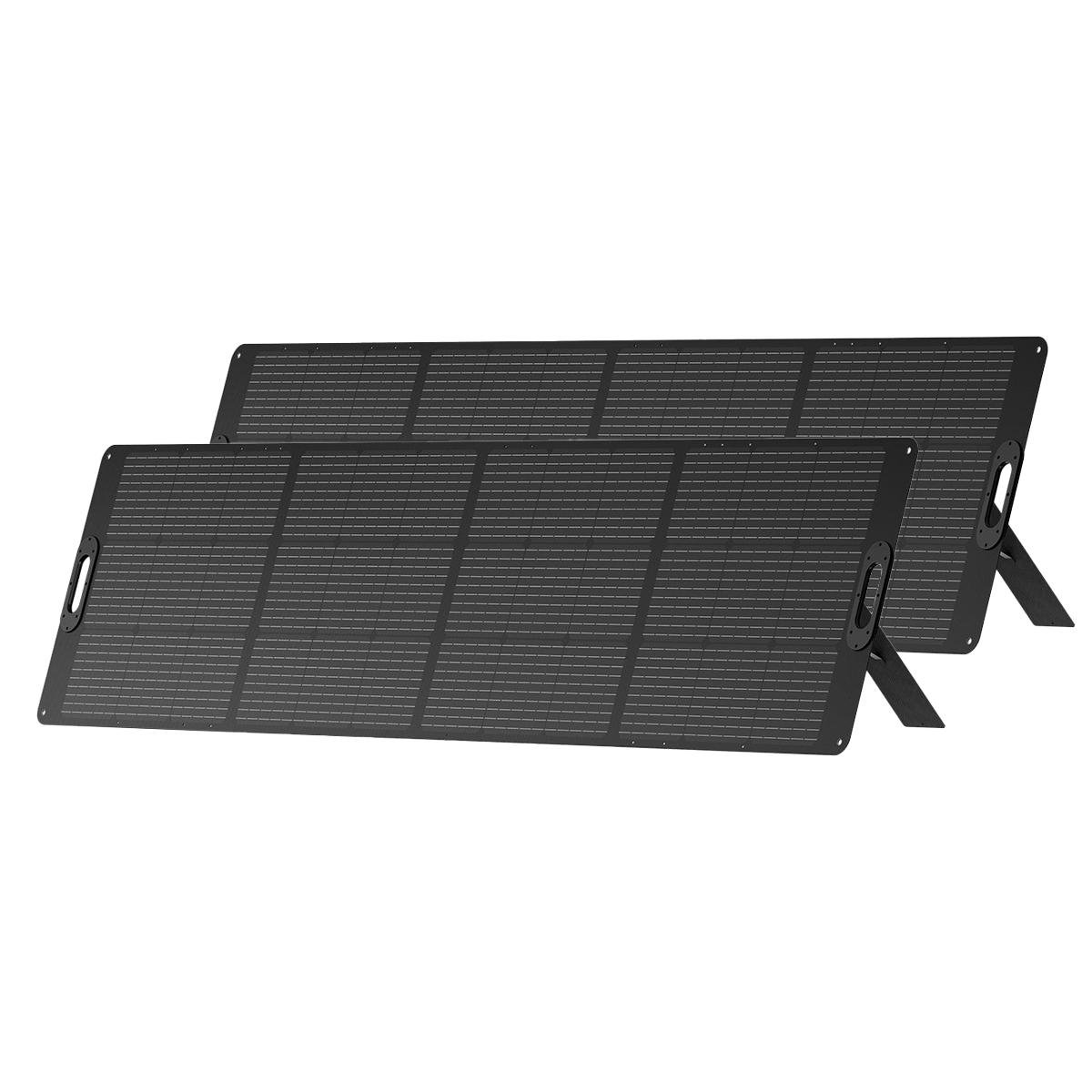
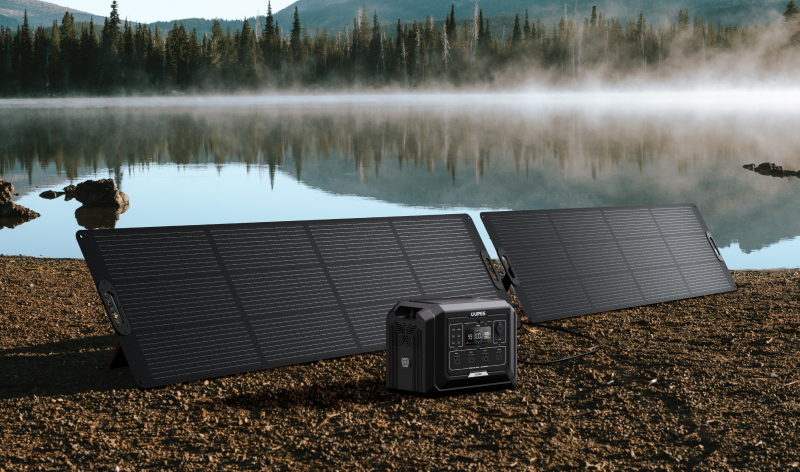
Looking to go solar this season? Check out some of our featured products.
FAQs
What is the life of LiFePO4 batteries?
The LiFePO4 batteries can last 8-10 years and beyond, when maintained properly. These normally have a lifetime of 3,000 to 5,000 charge cycles, higher than the Li-ion batteries.
Does a LiFePO4 battery need a special charger?
Yes. A regular charger may work, but it is preferable to use a LiFePO4-compatible charger. This will give the right voltage and extend battery life.
Are there any better batteries than LiFePO4 batteries?
This will depend on your needs. LiFePO4 is one of the most secure options, and it offers the longest life. However, in a high-energy-density, low-weight application (like smartphones), the lithium-ion batteries are more convenient.
Final words
So, which battery is better? Both have their place. LiFEPO4 is safer, has a longer life, and is best suited to solar systems, RVs, and home backup. Although it comes at a premium, it is cost-effective in the long term. Lithium-ion is lighter and performs better in small devices and electric vehicles. It is less expensive to purchase but has a shorter life.
Whichever one you choose, the choice should be based on what you want to use the battery for.


Leave a comment
This site is protected by hCaptcha and the hCaptcha Privacy Policy and Terms of Service apply.